
Lee County Probate Court Appointments
The first rule for Lee County Probate Court is appointment first. The county probate page states that appointments are required. The court is led by Probate Judge Michael A. Davis, and the staff directory lists the probate office in Room 103. Published probate contacts include Judge Davis at madavis@leecountysc.org and 803-484-5341 ext. 3155, Probate Clerk Lisa Seymour at lseymour@leecountysc.org and ext. 3156, and Probate Clerk Jennifer Jackson at jjackson@leecountysc.org and ext. 3157.
The Lee County Probate Court page is the local source for the appointment rule, office hours, judge, and probate responsibilities.
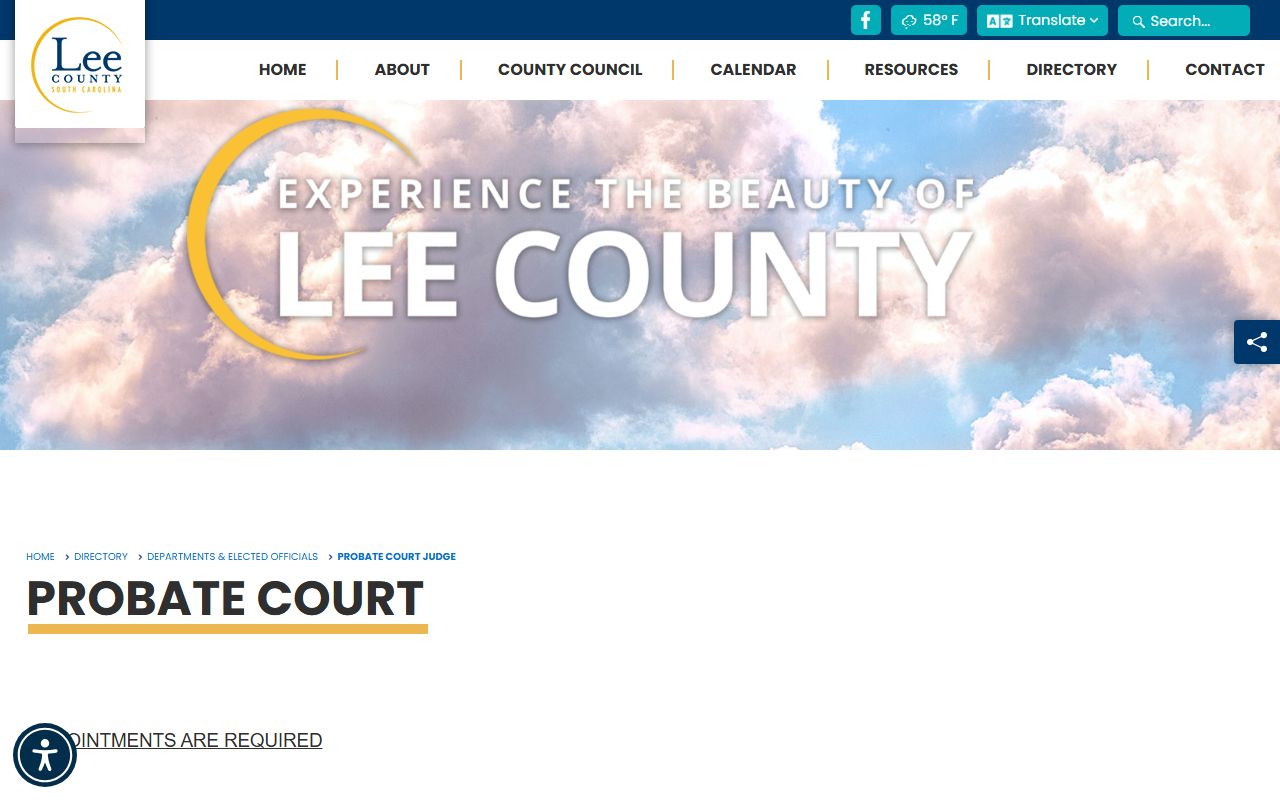
That county page is the controlling local starting point when an online probate search does not list Lee County.
Lee County Probate Court
Judge: Michael A. Davis
Room 103 / PO Box 24
Bishopville, SC 29010
803-484-5341 ext. 3155
Fax: 803-484-6881
Monday-Friday, 9:00-5:00
Lee County Probate Record Types
Lee County Probate Court lists four core county responsibilities: probating estates of deceased persons, involuntary commitment of mentally incompetent and chemically addicted persons, guardianships and conservatorships of incapacitated adults and conservatorships of minors, and issuance of marriage licenses. Statewide Probate Court authority also includes trusts, minor settlements under $25,000, and concurrent jurisdiction with Circuit Court over powers of attorney.
The South Carolina Judicial Branch Probate Court overview explains statewide probate jurisdiction and the four-year elected Probate Judge structure.
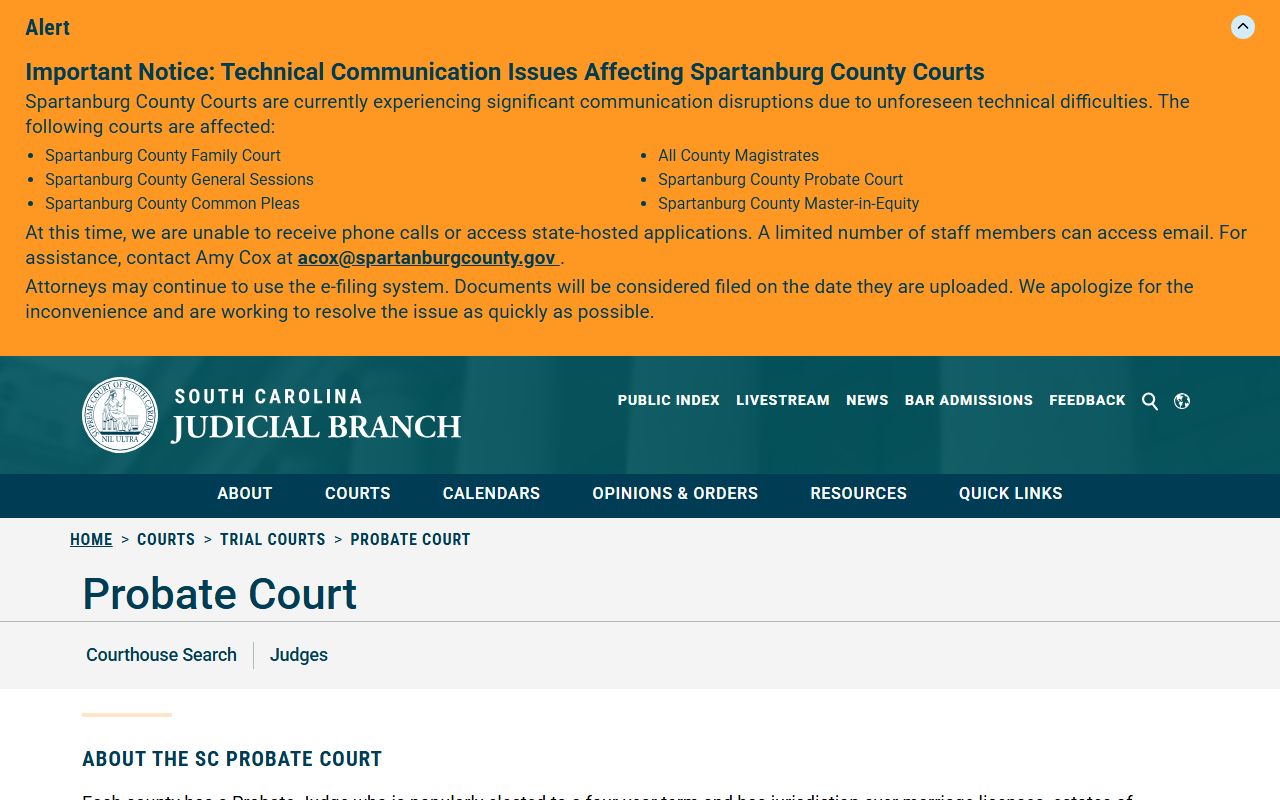
The state overview helps explain why Lee County probate records may include more than estate files alone.
Lee County Probate Terms
Probate records use terms that are easy to confuse. These definitions help readers identify the file type before calling the probate clerk. The terms are not a substitute for legal advice, but they are useful when asking whether a case is an estate, guardianship, conservatorship, trust, or commitment matter.
- Testator
- A person who made a will.
- Executor
- A person named to carry out a will, often called a personal representative in estate administration.
- Intestate
- Dying without a will, which means estate administration follows state law.
- Guardianship
- A court arrangement involving personal care or decision authority for an incapacitated adult or minor.
- Conservatorship
- A court arrangement involving management of money or property for an incapacitated adult or minor.
- Creditor claim
- A demand by someone who says the estate owes a debt.
Search Lee County Probate Records
The South Carolina Probate Search portal was reviewed, but Lee County was not visible in the captured county dropdown. That means Lee County users should not assume that an online statewide probate search covers local files. Start with the Probate Court appointment process, then use the state portal only as a supplemental check for participating counties or surrounding-county questions.
The South Carolina Probate Search portal showed fields for county, case number or party name, wildcard search, surrounding counties, and party/case-name options.
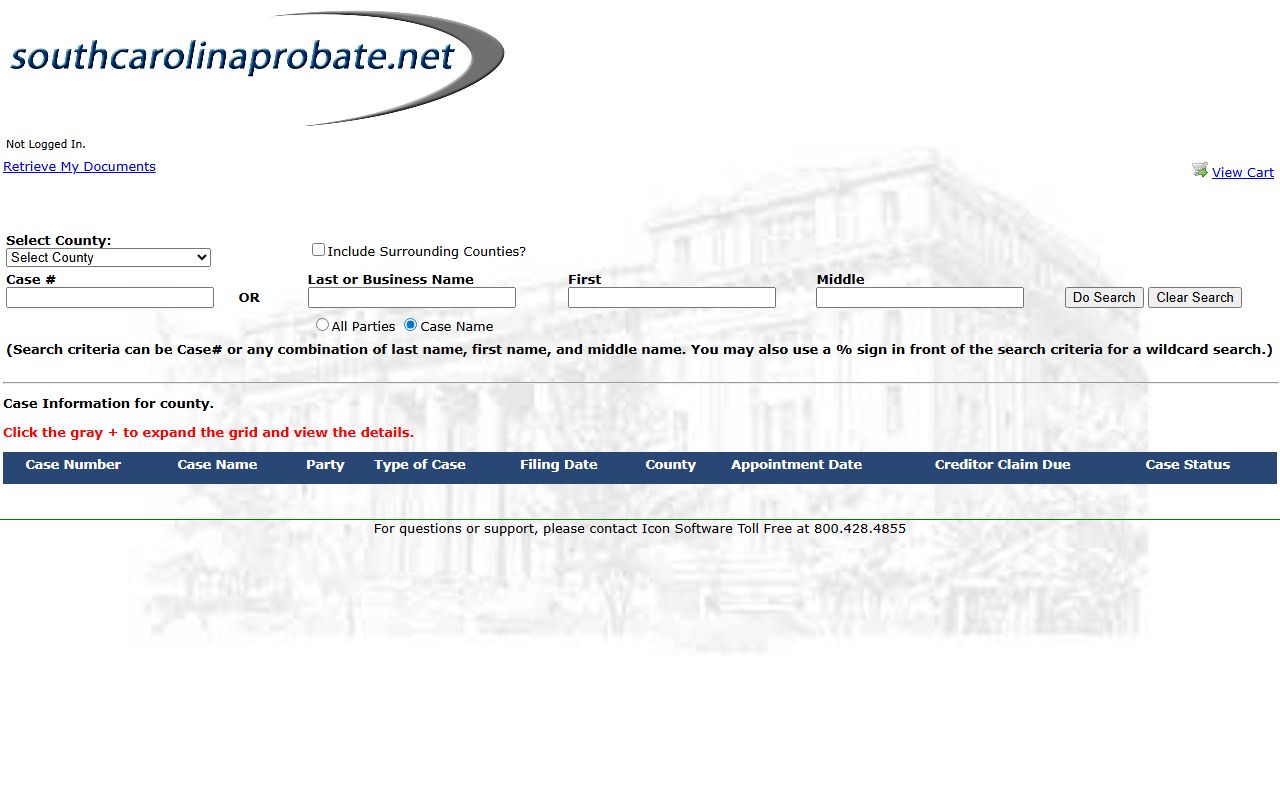
The portal screenshot is useful for understanding participating-county metadata, but Lee County probate access should still lead with the local court.
| Probate Search Field | Type | Lee County Note |
|---|---|---|
| Select County | Dropdown | Lee County was not visible in the captured options. |
| Include Surrounding Counties? | Checkbox | Supplemental only if the portal supports the chosen counties. |
| Case# OR Last or Business Name | Text | Required search criteria in the portal. |
| First and Middle | Text | Used to narrow a name search. |
| Wildcard | Instruction | The percent sign may be used in front of search criteria. |
Open Lee County Probate Matters
Lee County's probate page includes a heading for items needed to open an estate, but the full list was not visible in captured text. The practical workflow is to call before filing, identify the matter type, and ask which South Carolina Judicial Branch Probate Court forms and original documents are required. Estate filings may require proof of death, a will or codicil if one exists, appointment documents, creditor notice steps, inventory or accounting duties, and closing paperwork.
- Call Probate Court because appointments are required.
- Identify whether the matter is an estate, will, guardianship, conservatorship, minor settlement, trust, power of attorney, marriage license, or commitment.
- Ask which Probate Court Administration form applies and whether original or certified documents are needed.
- Confirm the Lee County filing fee, copy fee, payment method, and whether mailing is accepted.
- For estates, ask about appointment of a personal representative, creditor deadlines, inventory duties, and closing filings.
Lee County Probate Fees
A Lee-specific Probate Court fee schedule was not located in the accessible research sources. The page should not invent estate-opening fees, copy fees, letters testamentary fees, guardianship fees, or certification fees. Instead, confirm the applicable amount with Probate Court before mailing payment or arriving for an appointment. The fee gap is important because probate filings can differ by case type and estate value.
| Probate Service | Amount | Research Status |
|---|---|---|
| Estate opening or original probate application | Not located | Call Lee County Probate Court. |
| Letters testamentary or appointment documents | Not located | Ask the probate clerk before filing. |
| Certified probate copy | Not located | Confirm copy and certification charges locally. |
| Guardianship or conservatorship filing | Not located | Fee and access may depend on case type. |
| Marriage license through Probate Court | Not located | Verify during the required appointment call. |
Note: No Lee County probate fee should be copied from another county because the research did not verify a local fee schedule.
What Lee County Probate Records Show
Estate administration records can include an application or petition, proof of death where required, a will or codicil if one was filed, appointment of a personal representative, fiduciary bond where required, inventory and appraisement, creditor notices, creditor claims, accountings, receipts, releases, orders, and closing documents. Participating probate search result columns in the state portal can show case number, case name, party, type of case, filing date, county, appointment date, creditor claim due date, and case status.
Guardianship and conservatorship matters can involve more sensitive records, such as physician or examiner material, petitions, notices, reports, inventories, accountings, and orders. Commitment matters are more sensitive still. Lee County Probate Court lists involuntary commitment as a responsibility, but public copy should not imply that mental-health or chemical-addiction commitment records are open for online public search.
Restricted Lee County Probate Records
Probate access is not unlimited. Estate files are often more public than commitment, minor, guardianship, conservatorship, adoption-related, medical, and financial records. South Carolina law and court rules can require redaction or restrict access when personal identifiers, medical details, minor information, mental-health facts, or protected family information are involved. Lee County requesters should ask the probate clerk whether a file is open to inspection, whether copies can be certified, and whether a court order is needed.
The South Carolina Children's Code confidentiality provisions are relevant when probate-related records touch minors or juvenile information.
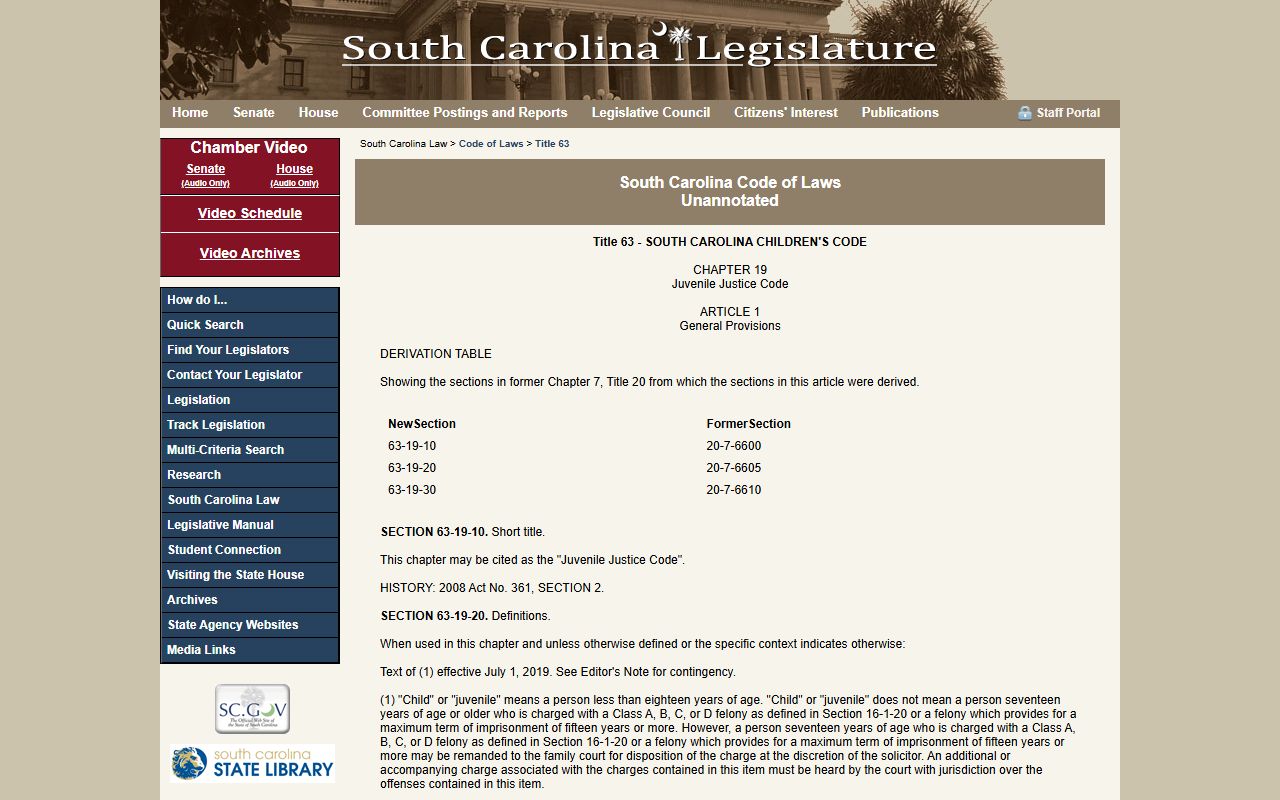
Those confidentiality rules reinforce why probate searches should not promise open access to every family or minor-related filing.